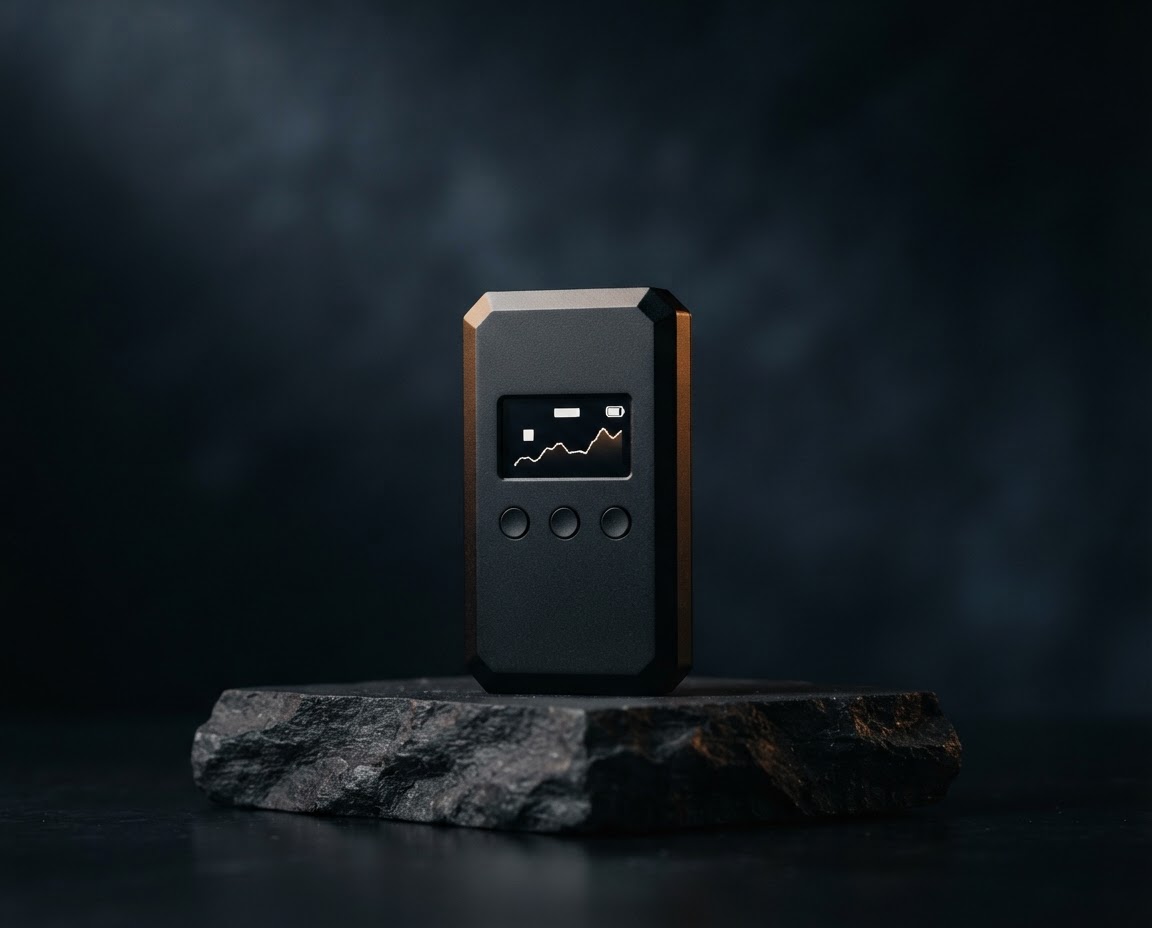
A hardware wallet keeps the private keys that authorize your cryptocurrency transactions isolated from your everyday computer or phone. It does not hold coins in the way a physical wallet holds cash; rather, it helps you approve actions while your assets remain recorded on their respective blockchains. Understanding that distinction is a useful first step.
When setting up a device, start from the manufacturer’s official website, typed directly into your browser. Install its recommended companion software from that source, then follow the instructions shown on your device. A genuine setup should never ask you to enter recovery words into a website, chat, or support form.
Your recovery backup is the most sensitive part of the process. Record the words in the exact order shown, keep the copy offline in a private place, and consider how you would access it if your device were lost or damaged. Never share the words—even someone claiming to be support cannot legitimately need them.
Before confirming a transfer, check the destination address and amount on the hardware wallet’s own screen. Start with a small test transaction when appropriate, account for network fees, and be wary of pressure to act quickly. Digital asset ownership carries real risk: prices can change sharply, transfers are often irreversible, and no device can protect you from every mistake or scam.
Good security is ongoing: keep software current through official channels, review what you are approving, and pause whenever a request feels unusual. For model-specific instructions, use Trezor’s official start page.